Cesspool & Septic Pumping
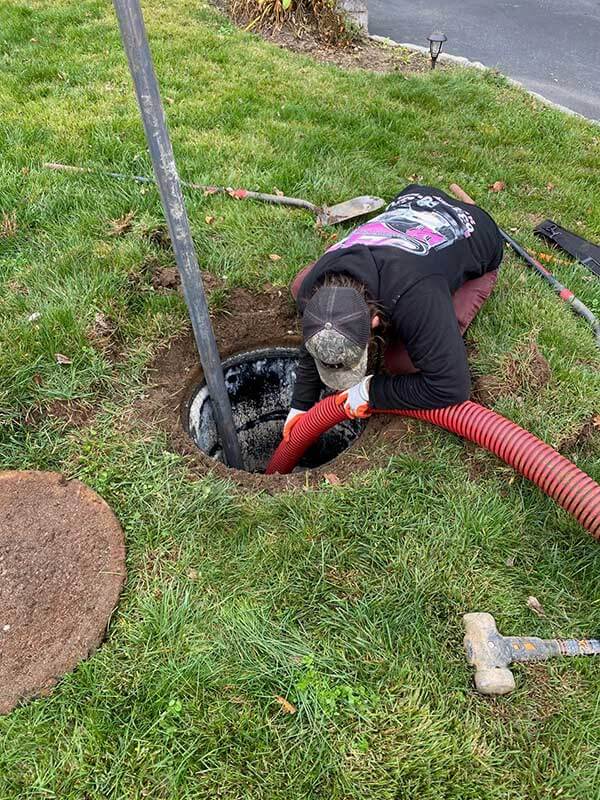
Routine and emergency pump-outs for cesspools and septic tanks across Long Island.
Learn morePumping, cleaning, treatment, aeration, repairs and new systems for Long Island homes and businesses. Whether your system is due for routine care or backing up tonight, JET answers 24/7.
Choose a service to see how it works, when it makes sense and what happens on the visit.
Routine and emergency pump-outs for cesspools and septic tanks across Long Island.
Learn more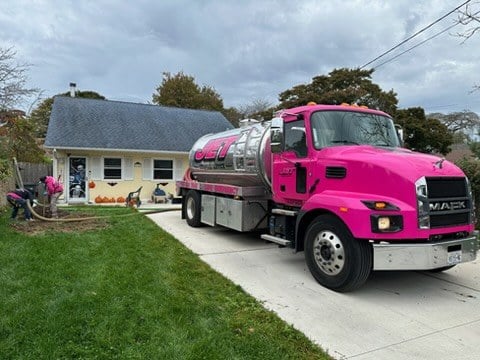
Removes hardened sludge and wall buildup so a cesspool can drain and hold more again.
Learn more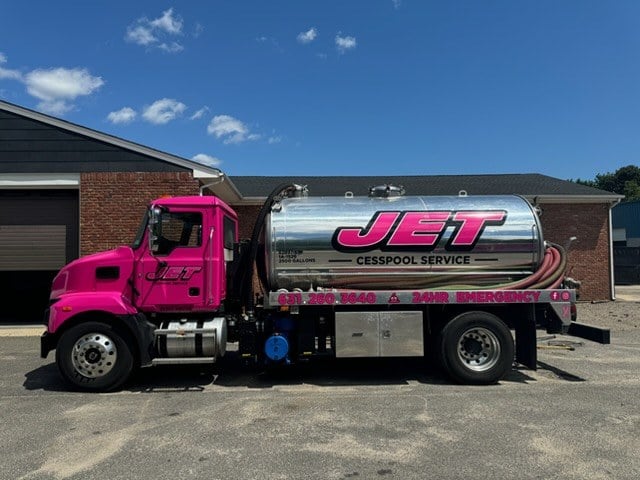
Round-the-clock pumping for sewage backups, overflowing cesspools and septic systems that stop draining.
Learn more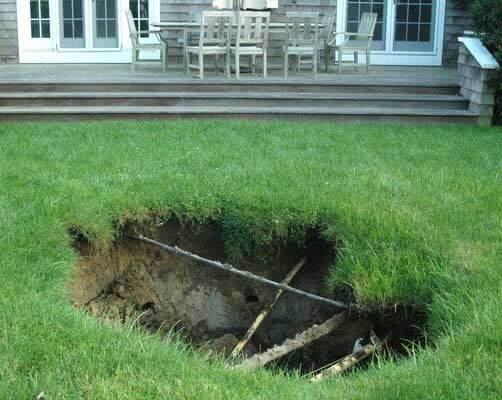
Repairs for covers, domes, collapsed rings, broken lines and septic tank baffles.
Learn more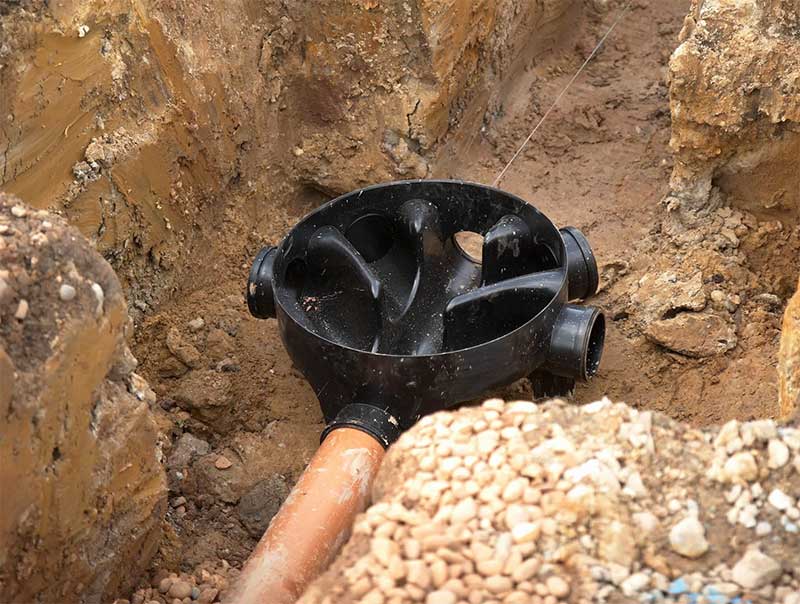
Replacement of failed cesspools and new septic systems built to current county rules.
Learn more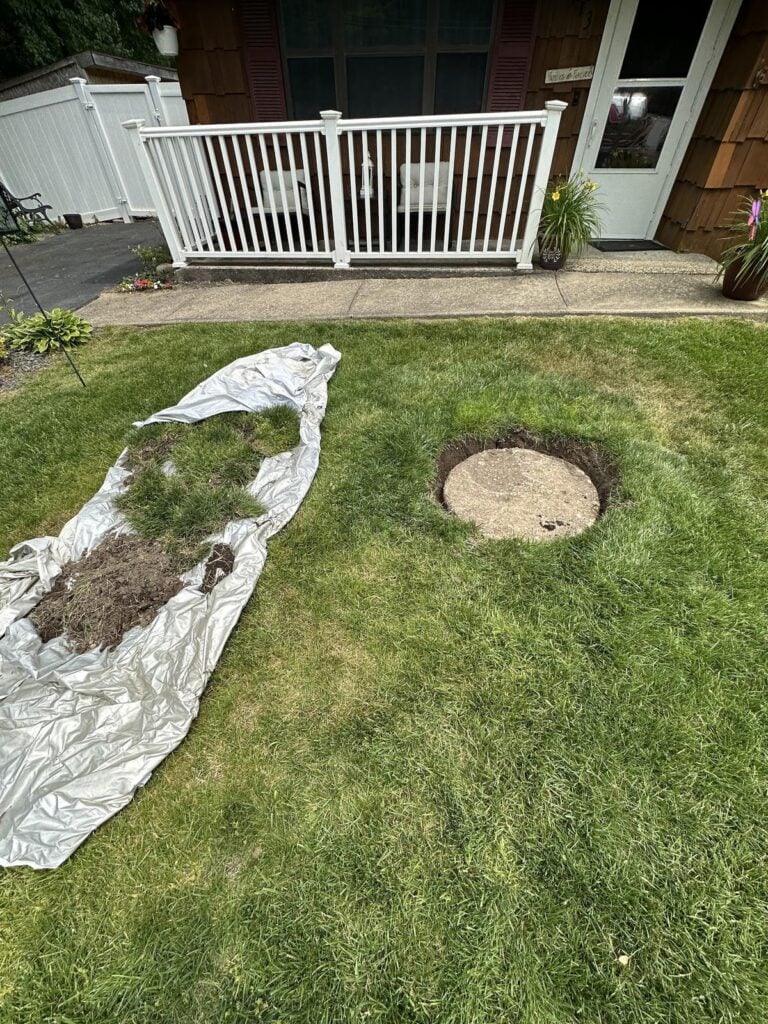
Bacteria and chemical treatments that support waste breakdown in working cesspools and septic tanks.
Learn more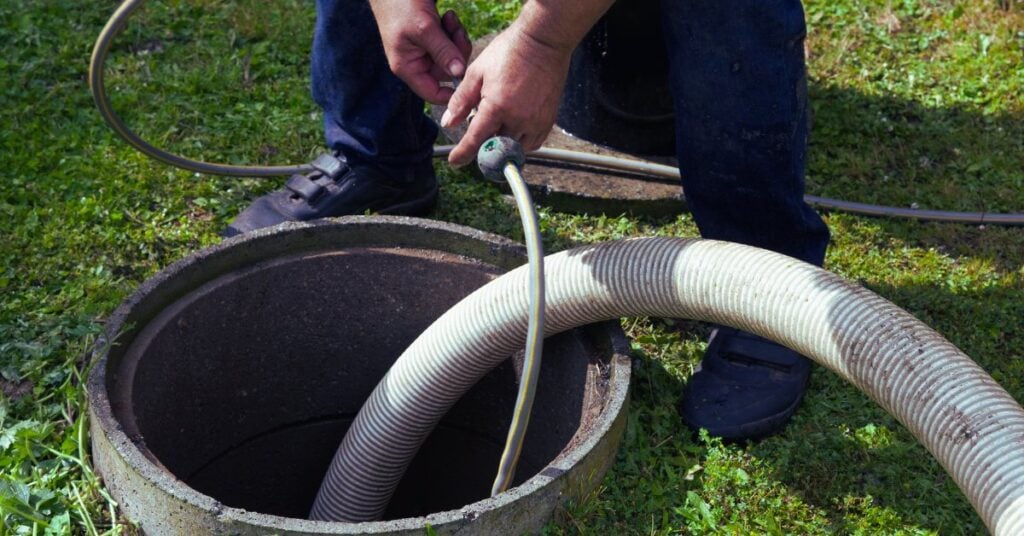
High-pressure air loosens packed soil and sludge so a slow cesspool can drain again.
Learn more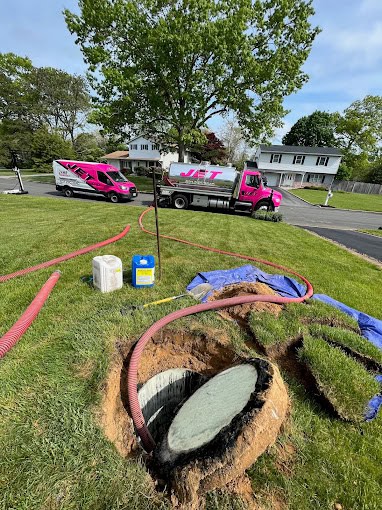
Pumping, cleaning and scheduled maintenance for business and multi-family wastewater systems.
Learn moreMost problems announce themselves before they turn into a backup. Call if you notice any of these.
A smell around the cover, the yard or the lowest drains in the house usually means the system is full or venting where it shouldn't.
When sinks, tubs and toilets all drain slowly at once, the problem is usually the system or the line to it, not a single fixture.
Gurgling after a shower or a load of laundry points to air being pushed back through a line that can't empty freely.
Soggy ground, standing water or unusually green grass over the system can mean liquid is coming up instead of soaking away.
Even if it cleared on its own, a backup means the system was at its limit. It's worth finding out why before it happens again.
If nobody remembers the last pump-out, the system is overdue for a look, whether or not anything seems wrong yet.
Need help right now?
Backups, odors, wet spots, clogged drains, and main line problems should not wait. JET responds 24/7 across Long Island.
Call 24/7: (631) 260-3640Every property is different, but the same few questions decide what a system needs: what kind it is, how it's used, and how long it has been since anyone looked inside.
A cesspool is a concrete or block pit with open sides and bottom. Everything from the house goes into it, solids settle, and liquid soaks out into the surrounding sand. A septic system adds a watertight tank in front: solids stay in the tank, and only the clearer liquid moves on to the leaching pools behind it.
The difference matters for maintenance. In a cesspool, sludge and grease build up where the liquid has to drain, so the pool slowly seals itself. In a septic system, the tank protects the leaching pools, as long as it’s pumped before the solids carry over. Suffolk County says nearly 70% of its homes rely on one of these two setups.
Most failures start as slow drainage that nobody notices for months. Regular pumping removes the solids before they reach the walls or the leaching pools, and each visit gives the technician a look at the structure, the inlet and the liquid level.
How often depends on the size of the system and the household. Knowing your septic tank size helps you plan, and a technician can suggest a schedule after seeing the system.
If the pool fills right back up after a pump-out, the walls and the soil around them are usually the problem. Cesspool cleaning removes hardened buildup, aeration opens up packed soil, and a treatment can work on what’s left.
Cracked domes, broken covers, collapsed rings and damaged pipes are repair jobs. When the structure has failed for good, the answer is a new system, and the technician will tell you plainly which situation you’re in.
Since July 1, 2019, a failed cesspool in Suffolk County can’t be replaced with another cesspool; the minimum is a septic tank ahead of the leaching structure. Since July 1, 2021, new homes and expansions need an I/A (nitrogen-reducing) system. JET is registered with the county to install them.
Homeowners replacing a system may qualify for county and state grants toward an I/A system. Eligibility depends on the property, so check before work begins. The are cesspools legal? guide explains the rules in more detail.
Restaurants, offices, apartment buildings and other commercial properties put far more through a system than a single house. JET handles commercial cesspool service on a schedule that fits business hours, along with grease trap cleaning for kitchens.
115+Google reviews
4.7 average rating. Customers mention fair pricing, polite staff, and a professional team most often.
Read reviews on Google"We needed our cesspool emptied asap due to an overfill and Jack got here within the hour and did an awesome job and was very professional."
Lucas T., Google review
"…gave me all the details & pricing before dispatching the guys out to my house. Nothing was hidden."
Derick P., Google review
"…although they had to dig up the lawn to get to the cap, they did quite a neat job putting the pieces back like a jigsaw puzzle."
Andrew B., Google review
Don't see your question? Call (631) 260-3640.
Yes. JET pumps, cleans, treats, aerates, repairs and installs cesspools and septic systems for homes and businesses across Long Island.
Call and describe what you're seeing. A full system usually needs pumping; one that refills quickly may need cleaning or aeration; a damaged one needs repair. The technician confirms on site before any work.
Yes. JET answers 24/7, including nights, weekends and holidays, for backups and overflows.
Not in Suffolk County. Since July 1, 2019, a failed cesspool has to be replaced with at least a septic tank ahead of the leaching structure.
JET serves all of Suffolk County, and Nassau County by request. Call to confirm service at your address.
Routine pumping or a backup that can't wait, call JET Cesspool Service at (631) 260-3640. We answer 24/7.
(631) 260-3640For a backup or overflow happening now, call (631) 260-3640 instead.