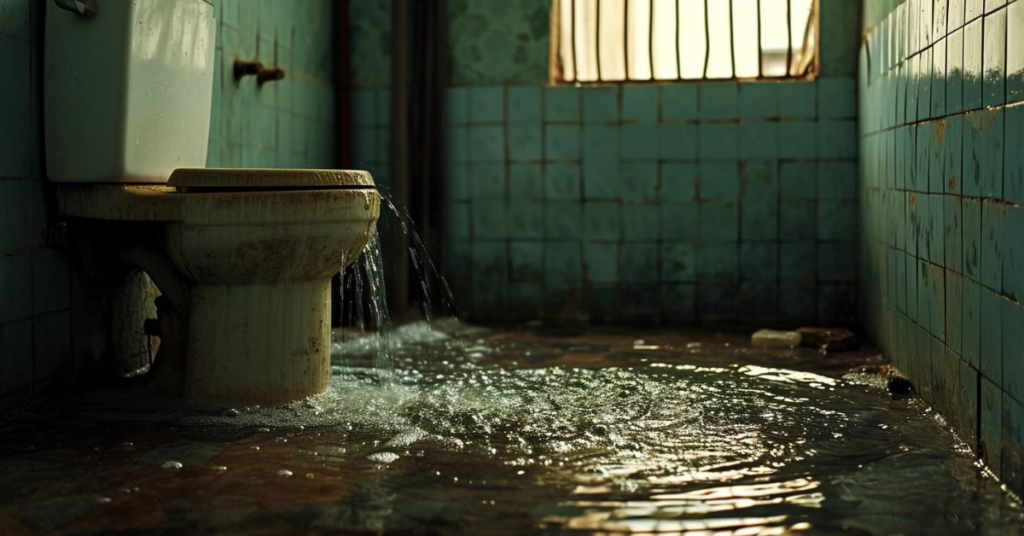
Sewage system maintenance is critical to managing wastewater effectively and ensuring infrastructure longevity. From routine inspections to preventive measures, this comprehensive guide explores what sewage system maintenance entails and why it is essential for optimal system performance.
Importance of Sewage System Maintenance
Sewage systems play a vital role in collecting, conveying, and treating wastewater from residential, commercial, and industrial sources. Regular maintenance is crucial to prevent system failures, address potential issues early on, and comply with environmental regulations. By understanding the components and requirements of sewage system maintenance, stakeholders can uphold the efficiency and reliability of their wastewater infrastructure.
Components of Sewage System Maintenance
1. Routine Inspections
Regular inspections are the foundation of sewage system maintenance. Trained professionals assess pipes, tanks, pumps, and other components to identify leaks, blockages, corrosion, or signs of deterioration. Visual inspections, CCTV surveys, and sensor technologies help detect issues and plan appropriate maintenance strategies.
2. Preventive Maintenance Programs
Implementing preventive maintenance programs involves scheduled check-ups, cleaning tasks, and adjustments to prevent system breakdowns and unexpected repairs. Preventive measures such as pump maintenance, grease trap cleaning, and flow monitoring help optimize system performance and extend its lifespan.
3. Pumping and Cleaning Services
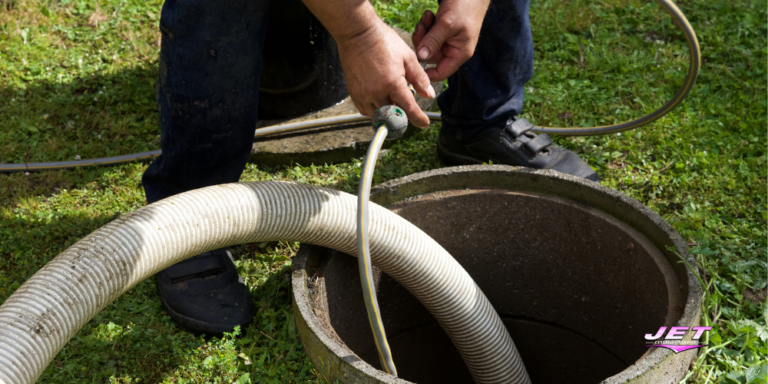
Periodic pumping and cleaning of sewage systems are essential to remove accumulated solids, sludge, and debris. Professional pumping services utilize specialized equipment to empty tanks, clear blockages, and ensure proper waste disposal. Routine cleanings prevent backups, odors, and system overloads.
4. Repairs and Upgrades
Addressing repairs and upgrades promptly is crucial for maintaining sewage system functionality. Repairing leaks, replacing damaged components, and upgrading outdated equipment improve system efficiency and prevent costly failures. Timely interventions minimize downtime and disruptions to wastewater operations.
5. Emergency Response
An emergency response plan is essential for dealing with unforeseen sewage system failures or emergencies. Quick response times, 24/7 availability, and access to emergency repair services help mitigate risks, contain spills, and protect public health and the environment.
6. Odor Control and Treatment
Controlling odors and treating wastewater effectively are key aspects of sewage system maintenance. Odor control solutions, biological treatments, and disinfection measures help minimize unpleasant smells, reduce pathogens, and ensure compliance with environmental standards. Proper treatment processes enhance water quality and protect ecosystems.

Benefits of Effective Sewage System Maintenance
1. Compliance with Regulations
Adhering to local, state, and federal regulations is paramount for sewage system operators. Regular maintenance, monitoring, and reporting practices help ensure compliance with discharge limits, environmental standards, and public health requirements.
2. Cost Savings
Proactive maintenance and timely repairs reduce the risk of major system failures and costly replacements. Investing in sewage system maintenance helps avoid emergency expenses, property damage, and regulatory fines, ultimately leading to long-term cost savings.
3. Environmental Protection
Maintaining sewage systems properly safeguards water bodies, soil, and ecosystems from contamination. Preventing leaks, spills, and overflows through effective maintenance practices contributes to environmental conservation, biodiversity preservation, and sustainable water management.
4. Public Health and Safety
Well-maintained sewage systems protect public health by preventing the spread of waterborne diseases, pathogens, and pollutants. Reliable wastewater infrastructure ensures safe disposal of sewage, minimizes health risks, and promotes community well-being.
Conclusion: Sustaining Wastewater Infrastructure Through Diligent Maintenance
Sewage system maintenance is an ongoing commitment to preserving wastewater infrastructure’s functionality, efficiency, and integrity. By prioritizing routine inspections, preventive measures, emergency preparedness, and environmental stewardship, stakeholders can uphold the reliability of sewage systems and mitigate risks associated with system failures. Investing in sewage system maintenance ensures regulatory compliance and cost-efficiency and promotes public health, environmental protection, and sustainable wastewater management practices. By understanding what sewage system maintenance involves and embracing proactive strategies, communities can sustain their wastewater infrastructure for generations to come, supporting a cleaner, healthier, and more resilient environment for all.
Frequently Asked Questions (FAQ)
1. What is a septic system?
A septic system is an on-site wastewater treatment system that processes and purifies wastewater from household plumbing fixtures.
2. How often should septic system maintenance be performed?
Septic system maintenance should be performed every three to five years to ensure optimal functioning and prevent malfunctions.
3. What can I do to avoid septic tank issues?
Regular inspection, proper cleaning, and careful wastewater management are key to avoiding septic tank problems.
4. Are drain cleaners safe to use with a septic system?
Drain cleaners containing harsh chemicals can harm your septic system by killing beneficial bacteria in the tank. It is best to avoid them.
5. How should I maintain my septic system?
Regular inspections, proper maintenance records, and timely septic tank pumping are essential to maintain your septic system.
6. Can a clog in the system cause issues?
A clog in the drainage system can lead to backups and system malfunctions. It is important to address clogs promptly.
7. What do I need to know about sewer maintenance?
Sewer maintenance involves proper care for your sewage system, regular system inspections, and adherence to recommended maintenance tips.