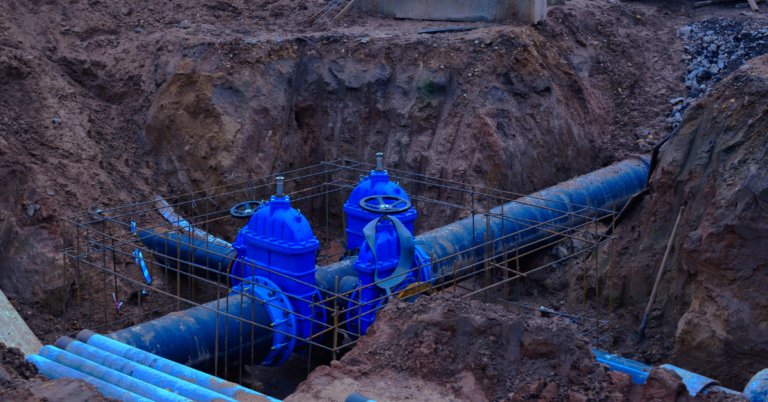
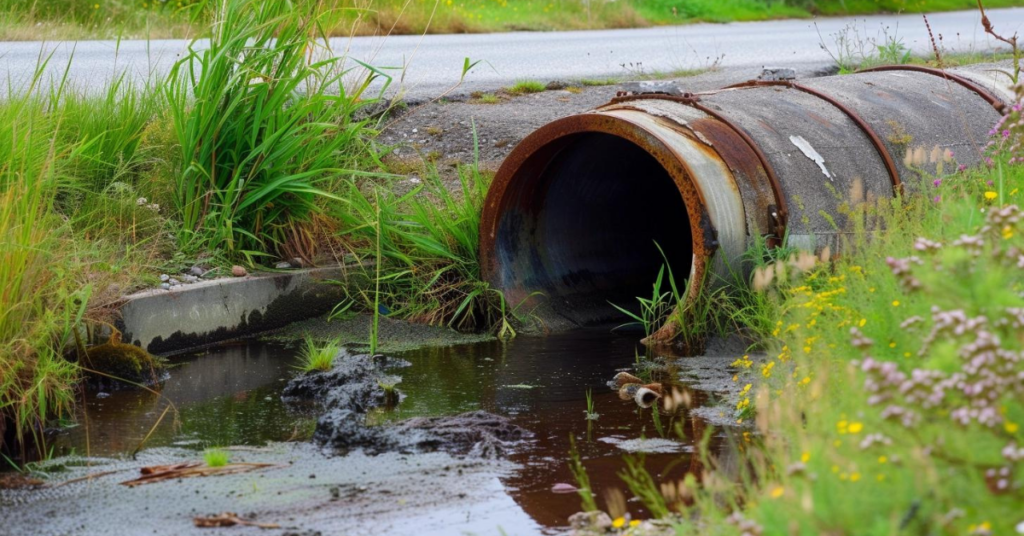
Maintaining a well-functioning sewage system is vital for the smooth operation of any property’s wastewater management. Neglecting this critical infrastructure can lead to many problems, from minor inconveniences to major health hazards. In this comprehensive guide, we’ll delve into the essential steps necessary for effectively managing your sewage system, emphasizing the importance of proactive maintenance in ensuring its longevity and functionality.
Regular Inspections
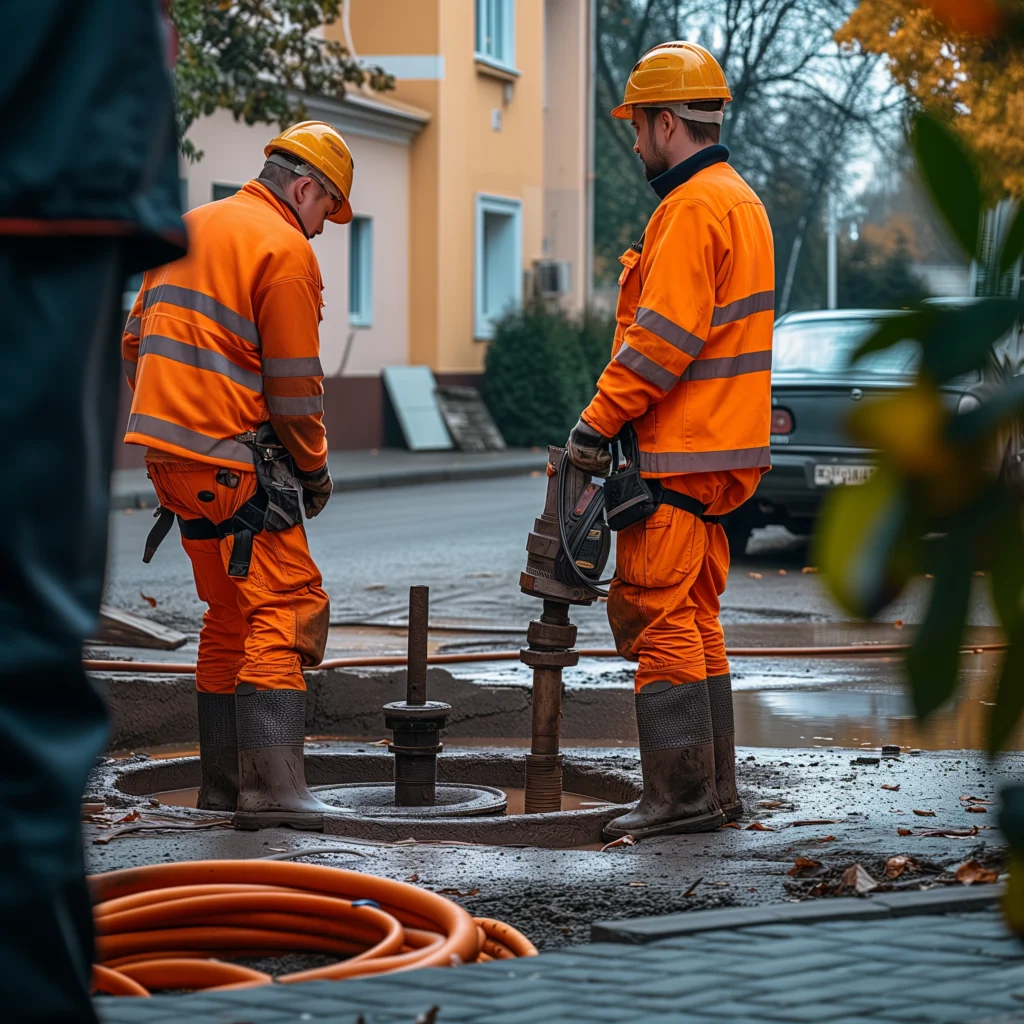
Routine inspections serve as the foundation of effective sewage system management. Property owners can identify potential issues early on by scheduling regular assessments, such as leaks, clogs, or signs of wear and tear. These inspections are not just cursory glances; they involve thoroughly examining the system’s components, including pipes, pumps, and tanks. Professional inspectors play a crucial role in this process, leveraging their expertise to detect even the subtlest signs of trouble. They offer recommendations for repairs or maintenance while ensuring compliance with regulatory standards. Investing in routine inspections not only helps prevent costly repairs but also promotes the overall health and efficiency of the sewage system.
During an inspection, inspectors will typically check for any visible signs of damage or deterioration, such as pipe cracks or corrosion, leaks around connections, or signs of root intrusion. They may also assess the condition of pumps, valves, and other components to ensure they function properly. In addition to visual inspections, inspectors may use specialized equipment such as cameras or pressure gauges to assess the condition of underground pipes or detect any blockages or leaks.
Monitoring Water Usage
Balancing water flow within the sewage system is essential for its health and longevity. Excessive water usage can strain the system, leading to overloading and potential backups. Implementing water-saving practices, such as fixing leaks promptly and avoiding wasteful habits, can help prevent unnecessary stress on the infrastructure. Property owners should also consider installing flow meters to track water consumption accurately. Property owners can preserve the integrity of their sewage system by monitoring water usage, adopting responsible consumption habits, and promoting sustainable water management practices.
Monitoring water usage involves tracking both overall consumption levels and patterns of use throughout the day. This information can help property owners identify areas where water usage could be reduced and implement targeted conservation measures. For example, if a property consistently experiences high water usage during certain hours, property owners may investigate potential leaks or inefficient fixtures that could be contributing to the problem. By addressing these issues, property owners can reduce water usage, alleviate strain on the sewage system, and lower utility costs.
Pumping and Cleaning
Regular pumping and cleaning are essential maintenance tasks for any sewage system. Over time, solids and sludge can accumulate within the system, impairing its efficiency and increasing the risk of blockages and malfunctions. Scheduling routine pump-outs and cleaning appointments helps prevent these issues, extending the lifespan of the sewage infrastructure and ensuring continued functionality. Professional service providers employ specialized equipment and techniques to remove accumulated debris and restore the system to optimal condition. By investing in regular maintenance, property owners can avoid costly repairs and maintain optimal performance, thereby safeguarding the health and well-being of occupants.
Technicians use powerful vacuum equipment to remove accumulated solids and sludge from the sewage system during a pump-out. This process helps prevent blockages and backups while reducing the risk of odors and other unpleasant issues. In addition to pump-outs, regular cleaning of pipes and other components can help prevent corrosion and extend the system’s lifespan. Technicians may use high-pressure water jets or chemical treatments to remove built-up debris and restore wastewater flow through the system.
Prompt Issue Resolution
Promptly addressing signs of problems is crucial for preventing further damage to the sewage system. Whether it’s a slow drain, unusual odors, or strange noises, ignoring these warning signals can lead to more significant issues down the line. Property owners should establish a protocol for responding to sewage system issues and ensure all staff are trained to recognize potential problems. In some cases, property owners may be able to troubleshoot minor issues themselves, but for more complex problems, it’s essential to seek professional assistance. Qualified technicians have the expertise and equipment to diagnose and resolve issues efficiently, minimizing downtime and disruption to normal operations.
Proper Disposal Habits
Proper waste disposal habits are essential for preserving the health of the sewage system. Flushing non-biodegradable items, grease, or chemicals down the drain can lead to blockages, corrosion, and system damage. Property owners should educate occupants about the importance of responsible waste disposal and provide clear guidelines for what can and cannot be flushed or poured down the drain. Additionally, property owners should consider implementing filtration systems or grease traps to capture solids and prevent them from entering the sewage system. By adopting responsible disposal practices and avoiding harmful substances, property owners can minimize the risk of system failures and contribute to the overall integrity of the sewage infrastructure.
Conclusion
Maintaining a well-functioning sewage system requires proactive management and routine care. Property owners can ensure the longevity and functionality of their sewage infrastructure by following the essential steps outlined in this comprehensive guide—conducting regular inspections, monitoring water usage, scheduling pump-outs, addressing issues promptly, and practicing proper disposal habits. Investing in sewage system management protects property value and promotes a cleaner and healthier environment for all. By prioritizing routine maintenance and adopting responsible practices, property owners can safeguard their investments and contribute to sustainable water management practices, ensuring occupants’ continued health and well-being now and in the future.
FAQ
Q: What is a sewage system?
A: A sewage system is a network of pipes carrying wastewater from homes and businesses to a treatment plant, which is processed and treated before discharge.
Q: What is the difference between a sewer and a sewer system?
A: A sewer refers to an individual pipe that carries sewage, while a sewer system consists of a network of sewers that transport sewage for treatment.
Q: How does a sanitary sewer system work?
A: A sanitary sewer system collects wastewater from homes and businesses and carries it to a treatment plant, where it undergoes treatment to remove contaminants before being discharged into waterways.
Q: What is a septic system?
A: A septic system is a decentralized wastewater treatment system commonly used in rural areas where sewage is collected and treated on-site rather than being transported to a central treatment plant.
Q: What is a combined sewer system?
A: A combined sewer system is a type of sewage system that collects sanitary sewage and stormwater in the same pipes, which can result in overflow events during heavy rainfall or snowmelt.
Q: What are the different types of sewer systems?
A: The main types of sewer systems include sanitary sewer systems, combined sewer systems, and septic systems, each designed to manage and treat wastewater differently.
Q: Why is it important to understand how sewer systems work?
A: Understanding how sewer systems work is crucial to ensure proper maintenance, prevent pollution of waterways, and protect public health by properly managing human waste and wastewater.
Q: How does stormwater affect sewer systems?
A: Stormwater can overwhelm sewer systems, especially combined sewer systems, leading to combined sewer overflows that can discharge untreated wastewater into waterways, posing environmental and public health risks.
Q: What is the role of a wastewater treatment plant in sewer systems?
A: A wastewater treatment plant is a facility that processes and treats sewage from sewer systems to remove contaminants before discharging the treated water back into the environment, ensuring water quality and public health protection.