The presence of cesspools can significantly impact real estate transactions. Unravel the complexities and considerations at the intersection of cesspools and real estate to make informed decisions and ensure smooth transactions.
Understanding Cesspools and Real Estate Dynamics
Including cesspools and real estate in property transactions requires careful evaluation to address potential challenges and opportunities. Here’s a closer look at key aspects to consider:
1. Inspection and Disclosure
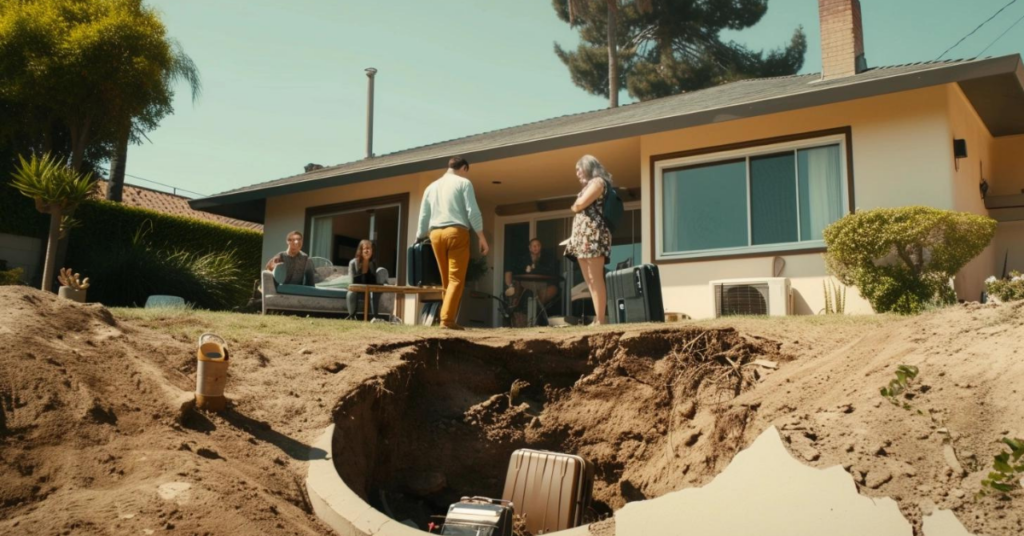
During real estate transactions, thorough inspections for cesspools and real estate are crucial. Sellers must disclose the presence of cesspools, their condition, and compliance with local regulations. Buyers need to understand the implications on property value and maintenance.
2. Legal Compliance
Navigating legal requirements related to cesspools and real estate is essential. Understanding zoning laws, environmental regulations, and restrictions on cesspool usage ensures compliance and prevents future complications for both buyers and sellers.
3. Property Evaluation
The presence of cesspools can impact property evaluations. Appraisers consider the condition of cesspools and real estate infrastructure for accurate assessments. Upgrades or repairs to cesspools may be necessary to maintain property value and integrity.

Key Considerations for Cesspools in Real Estate Transactions
1. Due Diligence
Conduct comprehensive due diligence regarding cesspools and real estate properties. Understand the type of cesspool, maintenance history, compliance with regulations, and potential environmental impact. This information influences negotiation and decision-making.
2. Financial Implications
Evaluate the financial ramifications of cesspools and real estate transactions. Factor in costs for cesspool inspections, repairs, upgrades, or conversions. Understanding these expenses helps in budgeting for property acquisitions or sales.
3. Negotiation Strategies
Develop effective negotiation strategies considering cesspools and real estate elements. Address cesspool-related issues upfront, negotiate repair responsibilities, or adjust pricing based on assessments. Clear communication and transparency are key to successful transactions.
Mitigating Risks and Maximizing Opportunities
1. Professional Guidance
Engage professionals specializing in cesspools and real estate transactions. Real estate agents, inspectors, environmental consultants, and legal experts provide valuable insights and ensure smooth processes while minimizing risks.
2. Communication
Open communication regarding cesspools and real estate details is essential. Transparent discussions between buyers, sellers, and relevant parties help navigate challenges, address concerns, and reach mutually beneficial agreements.
3. Future Planning
Consider the long-term implications of cesspools and real estate interactions. Plan for ongoing maintenance, potential upgrades, or transitions to alternative wastewater systems. Proactive planning safeguards property investments and ensures sustainable practices.

Harmonizing Cesspools and Real Estate Transactions
Balancing the complexities of cesspools and real estate transactions requires diligence, expertise, and collaboration. By understanding the nuances, complying with regulations, and prioritizing informed decision-making, stakeholders can navigate challenges effectively and capitalize on opportunities in the dynamic intersection of property dealings and wastewater management. Embrace the link between cesspools and real estate to foster transparent transactions, mitigate risks, and enhance the integrity and value of properties in a rapidly evolving real estate landscape.
Frequently Asked Questions (FAQ)
What is a septic system?
A septic system is an on-site wastewater treatment system commonly used in areas without centralized sewer systems. It consists of a septic tank and a drain field where wastewater is treated and dispersed into the soil.
How does a septic tank work?
A septic tank receives wastewater from the household and allows solids to settle while the liquid flows out into the drain field. Bacteria break down the solids resulting in sludge at the bottom and scum at the top of the tank.
What is the difference between a septic tank and a cesspool?
A septic tank is a complete wastewater treatment system with liquid and solid components. At the same time, a cesspool is a pit where only the liquid waste drains away, often leading to environmental concerns.
Why is regular septic tank pumping important?
Regular septic tank pumping is vital to prevent solids from accumulating and clogging the system. It’s recommended that a septic tank is inspected every few years and that the pump is pumped as needed to maintain its functionality.
What happens if a septic system is not maintained?
If a septic system is not properly maintained, it can lead to backups, odors, and groundwater contamination. Regular maintenance, including pumping and inspections, is crucial for the system’s longevity.
Should I buy a house with a septic tank?
When considering buying a house with a septic tank, it’s important to know its age and condition. Hiring a professional to inspect the wastewater system can help you make an informed decision.
Who is responsible for maintaining the septic system in a residential property?
Homeowners are typically responsible for maintaining their septic systems and ensuring that they function properly. Regular inspections, pumping when necessary, and following best practices can help avoid costly repairs.
What should I do if my septic tank needs repairs?
Contact a licensed and insured septic service professional if your septic tank requires repairs. Avoid DIY repairs due to safety hazards. A qualified technician can assess whether repair or replacement is more cost-effective, adhering to local regulations. Minimize home water use until the issue is resolved, and consider regular maintenance to prevent future problems.