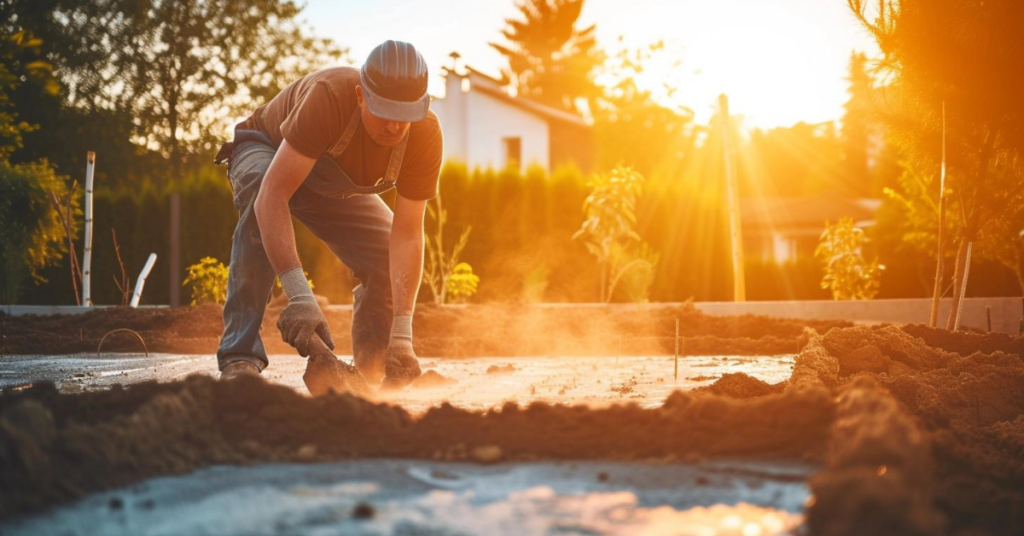
Embarking on a journey to renovate homes with cesspools offers a unique opportunity to simultaneously upgrade living spaces and wastewater management systems. Explore the innovative approaches and benefits of renovating homes with cesspools to create sustainable and modern living environments.
The Advantages of Renovating Homes with Cesspools
Renovating homes with cesspools enhances the property’s aesthetic appeal and functionality and contributes to environmental sustainability. Here are some key advantages:
1. Modernization of Wastewater Systems
By integrating advanced technologies and design solutions during the renovation process, homeowners can upgrade their cesspools to more efficient and eco-friendly systems. This modernization ensures better wastewater treatment and management practices.
2. Increased Property Value
Renovating homes with cesspools can significantly boost the property’s market value. Upgraded wastewater systems, improved aesthetics, and enhanced functionality appeal to potential buyers seeking sustainable and contemporary living spaces.
3. Environmental Benefits
Upgrading cesspools as part of a renovation project promotes better environmental practices. Implementing sustainable features like greywater recycling systems or alternative drainage solutions reduces water wastage and minimizes the property’s ecological footprint.
Key Considerations for Renovating Homes with Cesspools
1. Professional Assessment
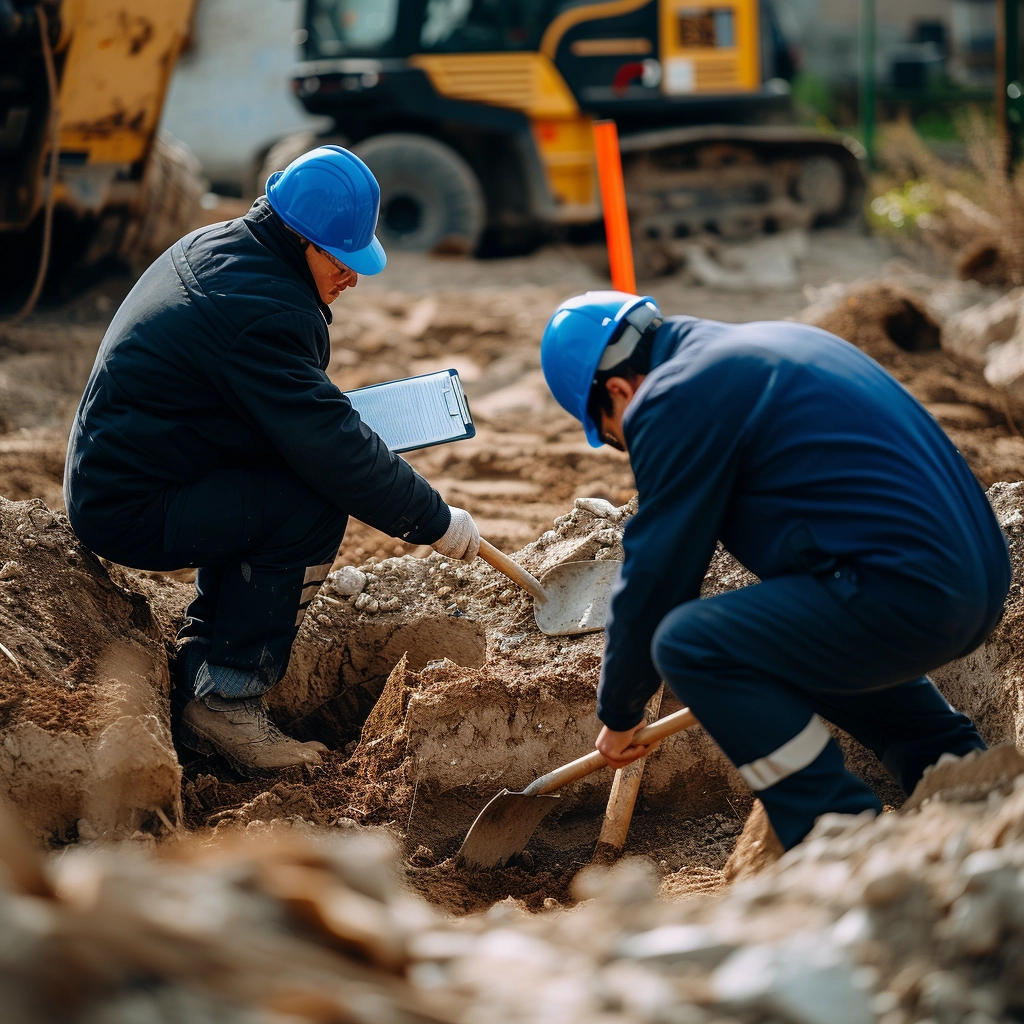
Before initiating any renovation work, consult with experienced professionals to assess the current state of your cesspool system. Identifying potential issues and determining the best renovation strategies ensures the project’s success.
2. Sustainable Upgrades
Incorporate sustainable upgrades into your home renovation plans to enhance the efficiency of your cesspool system. Consider installing energy-efficient appliances, water-saving fixtures, and environmentally friendly materials to reduce resource consumption.
3. Compliance with Regulations
Ensure that your renovation plans comply with local regulations and building codes related to cesspool systems. Adhering to legal requirements guarantees your upgraded wastewater management systems’ safety, functionality, and legality.
Innovative Solutions for Renovating Homes with Cesspools
1. Cesspool Conversion
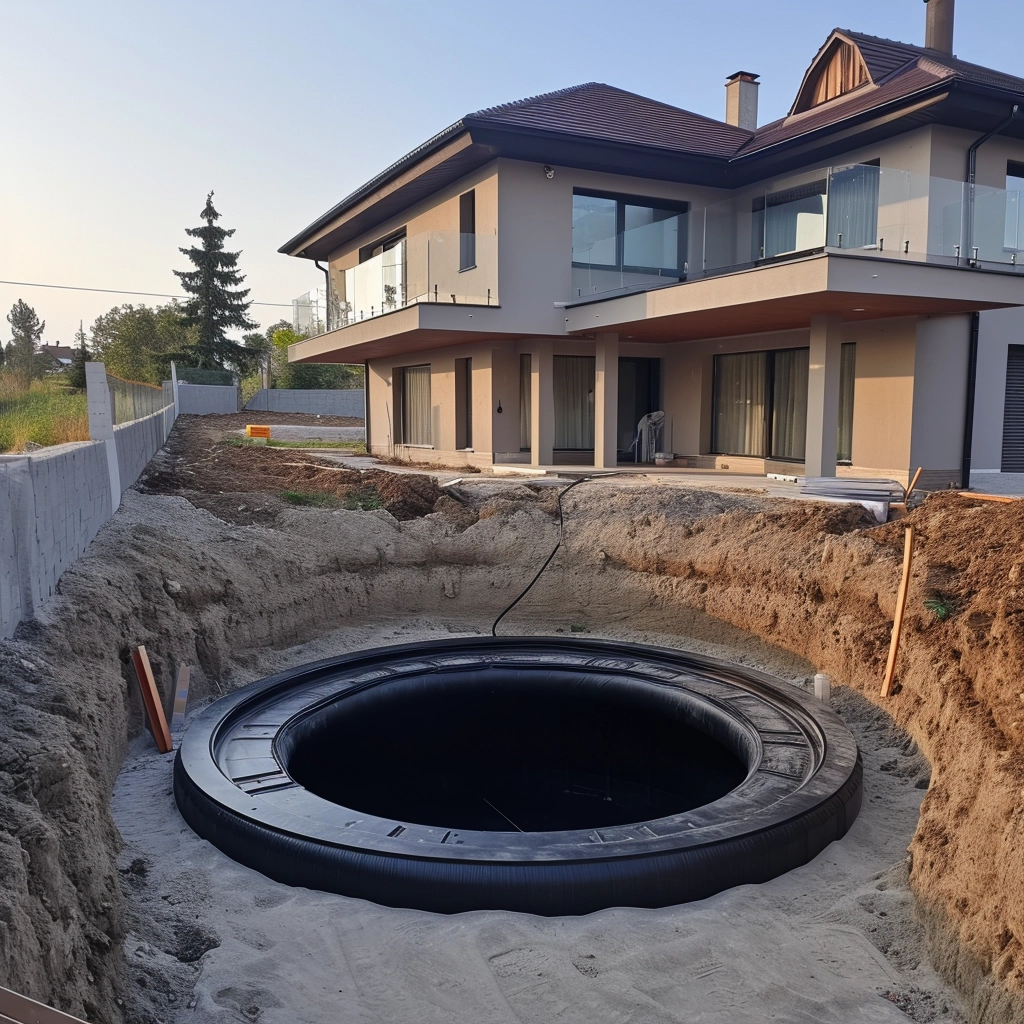
Explore converting traditional cesspools into more advanced septic tank systems or eco-friendly alternatives. These conversions improve wastewater treatment efficiency and environmental impact.
2. Smart Water Management
Integrate smart water management technologies into your renovation project to optimize water usage and reduce wastage. Automated systems for monitoring water consumption and detecting leaks contribute to sustainable living practices.
3. Landscaping and Drainage Design
Consider redesigning your outdoor spaces to incorporate eco-friendly landscaping and drainage solutions. Implementing permeable surfaces, rain gardens, or biofiltration systems can help manage stormwater runoff and enhance the health of your cesspool system.
Elevating Living Spaces with Cesspool Renovations
Renovating homes with cesspools presents a transformative opportunity to blend functionality, sustainability, and aesthetics into modern living spaces. By embracing innovative renovation approaches, prioritizing eco-friendly solutions, and ensuring regulatory compliance, homeowners can create residences that harmoniously integrate efficient wastewater management systems with contemporary design concepts. Elevate your living environment through thoughtful renovations that enhance your property’s value and contribute to a greener and more sustainable future. Embark on the journey of renovating homes with cesspools and witness the evolution of your living space into a sustainable sanctuary.
FAQ
What is a septic system?
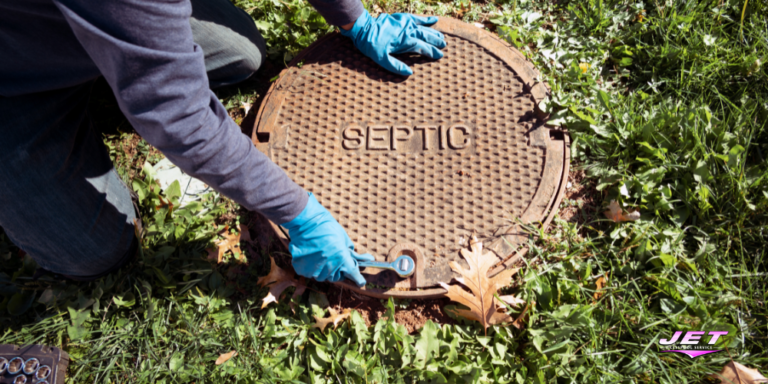
A septic system is an underground system used to treat and dispose of household wastewater in a cesspool or septic tank. It is commonly found in old houses without access to a sewer line.
How does a septic system work?
A septic system separates the liquid and solid waste in the septic tank. The effluent then flows into the drain field or leach field
What are the common issues with septic systems?
Common issues with septic systems include clogs, overflow, anaerobic digestion, and sludge buildup. Homeowners need to inspect their septic system regularly.
How can I maintain my septic system?
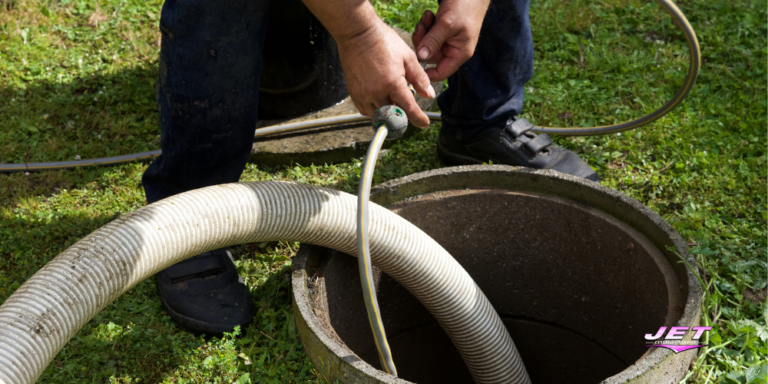
To maintain your septic system, you should avoid flushing items such as paper towels or garbage disposal waste that can clog the system. Regular pumping of the septic tank is also recommended.
When should I consider replacing my septic system?
If your septic system is old and no longer functioning properly, consider replacing it. Upgrading to a new septic system can improve efficiency and prevent issues.
What are the benefits of renovating my septic system?
Renovating your septic system can improve the value of your home, ensure proper wastewater treatment, and help you build your dream home with efficient plumbing.
Can I renovate my home if it has a cesspool?
Yes, you can renovate your home even if it has a cesspool, but it’s essential to consider the cesspool’s location and condition before planning any significant renovations. Ensure that your renovation plans do not interfere with the cesspool’s functionality or access for maintenance. It’s wise to consult with a cesspool service professional or a structural engineer to assess any potential impacts on your cesspool system before proceeding.
Will adding a bathroom affect my cesspool system?
Adding a bathroom can significantly impact your cesspool system by increasing the volume of wastewater that needs to be processed. Before adding additional bathrooms, have a professional evaluate your cesspool and its absorption field to determine if they can handle the increased load. You may need to upgrade or expand your system to accommodate the additional wastewater.
What should I do if my renovation plans require moving the cesspool?
Moving a cesspool is a complex and potentially costly process that involves obtaining necessary permits, professional excavation, and adherence to local health and safety regulations. It’s crucial to hire experienced professionals specializing in cesspool systems to evaluate the feasibility of moving your cesspool and carry out the work. They will ensure the new location complies with regulations and does not compromise the system’s efficiency or environmental safety.
How do I ensure my cesspool remains compliant with regulations after renovation?
After renovating, consult with local health or environmental agencies to understand current codes and requirements to ensure your cesspool complies with local regulations. A certified professional can verify its compliance and recommend any necessary upgrades or modifications. Keeping abreast of regulations and maintaining open communication with local authorities will help ensure your renovated home and its cesspool system remain compliant.