Sewage system repairs often conjure images of extensive excavation and heavy machinery, but there’s a growing trend towards more sustainable and less intrusive methods. Sustainable solutions minimize environmental impact and can be cost-effective and efficient. This article explores the five best sustainable solutions for sewage system repairs, emphasizing their benefits and implementation processes.
1. Trenchless Repair Techniques
Trenchless repair techniques are at the forefront of sustainable sewage system repairs. This method involves repairing or replacing underground pipes without extensive digging. Several trenchless repair techniques, such as pipe bursting and slip lining, are less disruptive to the environment and reduce the carbon footprint associated with traditional excavation.
Benefits:
- Minimal disruption to the landscape.
- Reduced carbon emissions from machinery.
- Cost-effective in the long term due to reduced labor and restoration needs.
Implementation: A small entry and exit pit is dug at either end of the section needing repair. A bursting head is then pulled through the old pipe, simultaneously breaking it apart and pulling the new pipe into place. Slip lining involves pulling a new, smaller pipe through the existing one and sealing the space between them.
2. Phytoremediation
Phytoremediation uses plants to clean contaminants from soil, air, and water. In the context of sewage system repairs, it can address leaks or overflows that have resulted in contamination. Certain plants are highly effective at absorbing pollutants and can be strategically placed around repair sites or areas with a history of sewage leaks.
Benefits:
- Naturally removes contaminants without chemicals.
- Enhances the aesthetic value of the area.
- Provides a habitat for wildlife.
Implementation: Identify the specific contaminants present and select plant species known for their ability to absorb these pollutants. Common choices include sunflowers for heavy metals and willows for nutrient-rich effluents. Regular monitoring is essential to ensure the phytoremediation process’s effectiveness.
3. Sustainable Pipe Materials
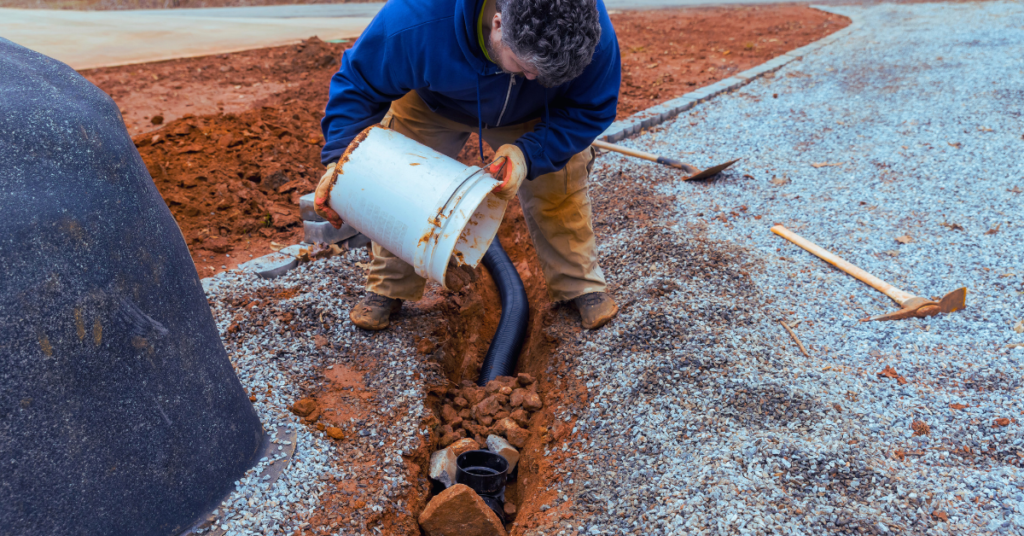
The choice of materials used in sewage system repairs plays a significant role in their sustainability. Eco-friendly materials, such as HDPE (High-Density Polyethylene) or PVC-O (Oriented Polyvinyl Chloride), offer durability and resistance to corrosion without the environmental impact of traditional materials like concrete or cast iron.
Benefits:
- Long lifespan reduces the need for frequent replacements.
- Recyclable, reducing waste.
- Resistance to chemicals and corrosion minimizes leaks.
Implementation: When planning repairs, opt for sustainable pipe materials that match the existing system’s requirements and conditions. Consider the environmental impact of the material’s production and disposal processes.
4. Greywater Recycling Systems
Incorporating greywater recycling systems into sewage system repairs can significantly reduce water waste and the load on sewage systems. Greywater, relatively clean waste water from baths, sinks, washing machines, and other kitchen appliances, can be treated and reused for irrigation and flushing toilets.
Benefits:
- Reduces the demand on the sewage system.
- Saves potable water.
- Can be integrated into both residential and commercial properties.
Implementation: Install a separate plumbing system for greywater, including filtration and treatment units. Ensure that the system complies with local regulations and health standards.
5. Community Education and Involvement
A sustainable approach to sewage system repairs involves technological solutions, community education, and involvement. Informing the community about the importance of sewage system health and how to maintain it can lead to more sustainable practices, such as reducing the use of harsh chemicals and disposing of waste properly.
Benefits:
- Promotes a culture of sustainability and responsibility.
- Reduces the likelihood of blockages and damage caused by improper waste disposal.
- Engages the community in local environmental efforts.
Implementation: Organize workshops and provide resources on the importance of sewage system care. Encourage community participation in sustainable waste disposal practices and leak or issue reporting.
Conclusion
Adopting sustainable solutions for sewage system repairs represents a significant step forward in environmental stewardship and resource conservation. By employing techniques such as trenchless repairs, phytoremediation, using sustainable materials, integrating greywater recycling, and promoting community education, we can ensure the longevity and efficiency of sewage systems in a way that harmonizes with our environmental commitments. Each of these solutions not only addresses the immediate needs of sewage system repairs but also contributes to a broader vision of sustainability and resilience in our communities.
Sewage System Repairs Frequently Asked Questions
What is sewer line repair?
A sewer line repair involves fixing any system issues or damages that carry sewage away from your property. This process can include repairing sewer lines, trenchless sewer repairs, or even sewer line replacement.
When should I consider sewer line repair?
If you notice sewer line problems such as slow drainage, gurgling noises, or foul odors, it’s time to contact a professional sewer for an inspection. Ignoring these signs can lead to more severe issues.
How much does sewer line repair cost?
The cost of sewer line repair service can vary based on the extent of the damage, the method of repair (such as trenchless sewer line repair), and the location of the broken sewer line. It’s best to get estimates from multiple providers.
Can I repair my sewer line myself?
While some DIY enthusiasts may attempt to fix minor sewer line issues, hiring a professional is always recommended to ensure the repair is done correctly and to avoid causing further damage.
What are the common causes of sewer line damage?
Broken sewer lines can be caused by various factors, including tree root infiltration, sewer line damage due to aging, sewer line blockages, ground shifting, or poor plumbing maintenance. Regular inspections can help identify issues early.
Should I repair or replace my damaged sewer line?
The decision to repair or replace a damaged sewer line depends on the extent of the damage. A sewer camera inspection can help determine the best course of action based on the condition of your sewer system.
How do I know if my main sewer line needs repair?
If you experience multiple clogged drains or sewage backups or notice sewage smells in your home, it could indicate a problem with your main sewer line. Seeking a professional inspection can confirm the issue and determine if repair is needed.