
Regularly maintaining your sewage system is crucial for ensuring its longevity and functionality. The changing seasons bring about different challenges for sewage systems, making Seasonal sewage system maintenance an essential part of property management. This guide delves into comprehensive tips for maintaining your sewage system with each season’s turn.
Spring: The Thaw and Flow Season
As winter fades and the ground begins to thaw, your sewage system awakens to increased water flows and potential blockages from accumulated debris. Spring maintenance focuses on preparation and prevention.
1. Inspect and Clean: Begin by thoroughly inspecting your septic tank, drain field, and all pipes. Look for signs of blockage or leaks. Spring is the ideal time to pump out your septic tank if needed, as the ground is thawing and accessible.
2. Test and Treat: After the thaw, test your system’s functionality by running water and checking for smooth drainage. Consider adding beneficial bacteria treatments to your septic system to help break down waste and improve efficiency.
3. Landscape Wisely: Your landscaping should not interfere with your sewage system. Avoid planting deep-rooted trees near septic lines and drain fields, as roots can cause damage.
Summer: The High Usage Season
Summer typically sees an increase in water usage, which can stress your sewage system. Seasonal sewage system maintenance during these months involves managing increased loads and preventing overflows.
1. Conserve Water: Implement water conservation practices to reduce strain on your septic system. Fix leaks, use water-efficient fixtures, and spread out laundry days to avoid overwhelming your system.
2. Monitor Drain Fields: Regularly check your drain field for signs of stress, such as standing water or unusually lush grass, which may indicate an overflow or leakage.
3. Avoid Heavy Equipment: Keep heavy vehicles and equipment away from the drain field to prevent soil compaction, which can reduce its efficiency in treating wastewater.
Fall: The Preparation Season
Fall is critical for seasonal sewage system maintenance, as it’s your last chance to prepare the system for the cold months ahead.
1. Clear Debris: Remove leaves and debris from your drain field and septic tank cover to prevent blockages. Ensure clear gutters and drainage lines to direct water away from your sewage system.
2. Insulate: To prevent freezing, consider insulating your sewage pipes, especially if they are shallow. Straw mulch over the drain field can also provide extra insulation.
3. Secure and Inspect: Secure all septic tank covers and inspection pipes—a good measure against winter’s harsh conditions. This is also a perfect time for a professional inspection to ensure your system is ready for winter.
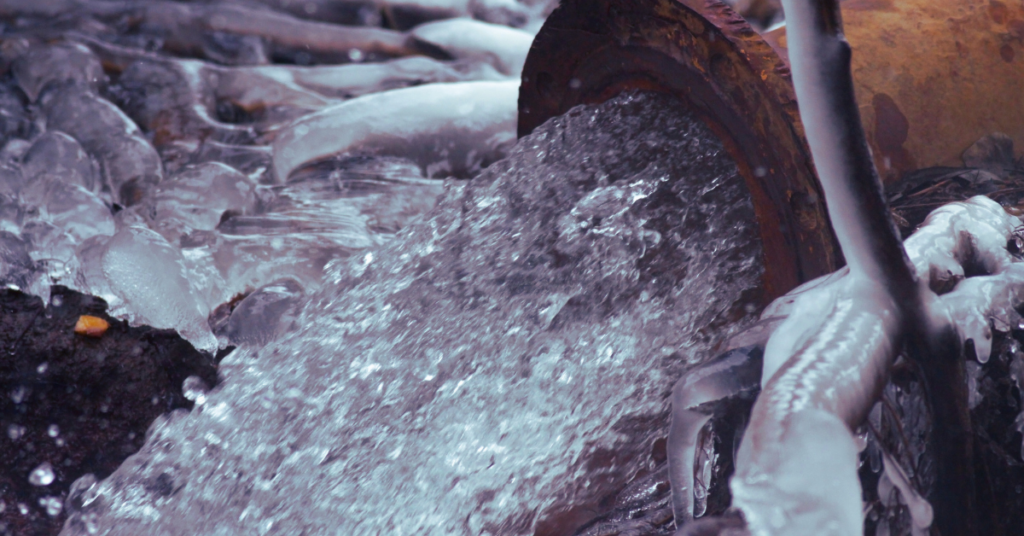
Winter: The Protection Season
Winter poses challenges like freezing temperatures and snow accumulation, which can impact the effectiveness of your sewage system. Seasonal sewage system maintenance during winter is focused on protection.
1. Keep It Covered: Ensure your septic tank and drain field areas are covered with snow for insulation. Keep foot and vehicle traffic minimal to avoid compacting snow over these areas.
2. Fix Leaks Immediately: A dripping faucet can cause water to accumulate and freeze in your sewage system. Fix leaks promptly to prevent this.
3. Be Prepared for Emergencies: Have the contact information of a reputable sewage system service handy in case of emergencies. Frozen pipes or parts of your septic system may require professional thawing.
Year-Round Maintenance Tips
Beyond the seasonal-specific tips, some maintenance tasks are essential throughout the year.
- Regular Inspections: Schedule professional inspections at least once a year to catch issues early.
- Pump Your Septic Tank: Depending on the size of your tank and household, pump out your septic tank every 3-5 years to prevent sludge buildup.
- Use Water Wisely: Practice water conservation daily to reduce the load on your sewage system.
- Avoid Harsh Chemicals: Harsh chemicals can damage your sewage system and kill the beneficial bacteria in your septic tank.
Seasonal sewage system maintenance is not just about fixing problems as they arise; it’s about preventative care to ensure your system remains functional and efficient throughout the year. By following these tips, you can protect your investment, prevent costly repairs, and ensure the health and safety of your household and environment.
Embracing Seasonal Sewage System Maintenance
In conclusion, adopting a proactive approach to seasonal sewage system maintenance safeguards your sewage system’s functionality and efficiency and significantly contributes to environmental protection. By aligning maintenance efforts with the seasonal demands placed on your system, you can prevent major issues before they arise, ensuring your sewage system operates smoothly year-round. This guide provides a comprehensive framework for homeowners and property managers alike, emphasizing the importance of seasonal awareness in the maintenance routine.
Remember, the health of your sewage system is integral to the overall well-being of your property and its inhabitants. Regular maintenance, informed by the changing seasons, is your best strategy for avoiding costly repairs and ensuring its longevity. Embrace these seasonal tips as part of your ongoing commitment to a well-maintained and efficient sewage system.
Frequently Asked Questions
1. What is a seasonal sewage system?
A seasonal sewage system is designed to be used only during certain times of the year, typically in locations that are not inhabited year-round.
2. Why is sewage system maintenance important?
Sewage system maintenance is crucial to prevent system failure and clogs that can lead to expensive repairs and potential health hazards.
3. How does a septic system work?
A septic system is a self-contained wastewater treatment system that treats sewage on-site. It typically consists of a septic tank, drain field, and system components that work together to break down and filter waste.
4. What are the common causes of septic system failure?
Factors such as high water table, excess water, and lack of regular maintenance can contribute to septic system failure by overwhelming the system’s capacity or causing damage to its components.
5. How can I reduce water usage to maintain my septic system?
To preserve your septic system, consider using water-saving fixtures, fixing leaks promptly, and spreading out water-intensive activities to prevent system overload due to high water usage.
6. When should I contact a septic professional for assistance?
If you notice signs that the system may be experiencing issues, such as slow drains, gurgling pipes, or foul odors, you should seek help from a licensed septic system professional to assess and address the problem.
7. What precautions should I take with my onsite sewage treatment system?
Proper care and maintenance of your on-site system, including regular inspections and pumping, are essential to ensure its longevity and functionality. Neglect can lead to system failure.