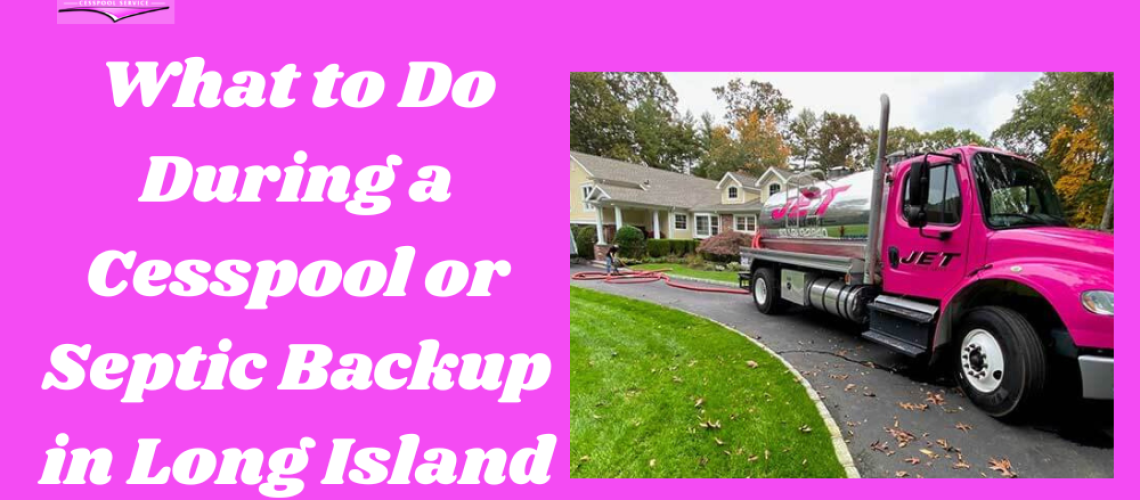
Cesspool or septic backups in Long Island can quickly disrupt your home, causing drainage issues, foul odors, and potential damage if not handled immediately.
Your toilet won’t flush. The water rises instead of going down.
The shower starts backing up. There’s a smell you can’t ignore.
If you’re in Long Island, this usually means one thing:
your cesspool or septic system is backing up.
And here’s the problem:
most homeowners wait too long or try the wrong fix first—making it worse.
What you do in the next few minutes can determine whether this stays a quick fix… or turns into a serious (and expensive) mess.
Here’s exactly what to do right now.
Quick Guide: What to Do Right Now
Taking the right steps early during a cesspool or septic backup helps prevent the situation from spreading and keeps damage under control.
- Stop using all water immediately
- Keep people and pets away from affected areas
- Avoid chemicals or DIY fixes
- Check if your toilet, shower, and sink are all backing up
- Look outside for wet spots or strong odors
- Call a professional as soon as possible
If your toilet, shower, and sink are all backing up at the same time, your system is likely full and needs to be addressed as soon as possible.
In many Long Island homes, this often means the cesspool needs to be pumped before the problem gets worse.
Is It a Cesspool or Septic Backup?
Cesspool and septic backups in Long Island cause the same symptoms, so the issue is usually clear even if the system isn’t.
If your toilet, shower, or sink is backing up, your system is no longer draining properly—whether it’s a cesspool or a septic tank.
Both systems fill over time, and when they reach capacity, the warning signs are the same: slow drains, odors, and water backing up into your home.
If you’re unsure whether your home has a cesspool or a septic system, you don’t need to figure it out on your own. A professional cesspool service provider like Jet Cesspool Service can quickly identify the issue and handle either system the right way.
Instead of trying to diagnose it in the moment, the priority is to stop the problem from getting worse.
Step 1: Stop Using All Water Immediately
Stopping water use during a cesspool or septic backup prevents additional pressure from building inside a system that is already full.
When your system is backing up, it can no longer handle incoming water. Every flush or rinse adds to the problem.
If water continues to flow into a full system, it often ends up coming back through your drains or spreading into areas it shouldn’t reach.
Stopping water use right away helps contain the issue and prevents it from getting worse.
Step 2: Keep People and Pets Away
Keeping distance from affected areas reduces the risk of exposure to contaminated wastewater during a backup.
Water coming from a cesspool or septic system can carry harmful bacteria.
If you notice water backing up indoors or pooling outside, it’s best to keep people and pets away and avoid direct contact.
Step 3: Avoid Chemicals or DIY Fixes
Cesspool and septic backups are system-level problems that cannot be solved with drain cleaners or temporary fixes.
It’s natural to want a quick solution, but chemical cleaners and plungers won’t fix a system that’s full or not draining properly.
In some cases, they can even make things worse by damaging pipes or pushing the issue further into the system.
Step 4: Check if Your Fixtures Are Backing Up Together
When multiple fixtures like your toilet, shower, and sink are affected at the same time, it usually indicates a system issue rather than a simple clog.
If only one drain is slow, the problem may be isolated.
But if your toilet, shower, and sink are all backing up, your system is likely at capacity.
In many Long Island homes, this often means the cesspool needs to be pumped before the problem gets worse.
Step 5: Look for Outdoor Warning Signs
Outdoor signs like wet spots or strong odors can indicate that your cesspool or septic system is no longer draining properly.
Take a quick look around your yard.
If you notice soggy areas, pooling water, or strong odors, it’s a sign your system is overwhelmed and wastewater isn’t being absorbed properly.
Step 6: Call a Professional as Soon as Possible
Professional cesspool pumping is the most effective way to relieve system pressure and restore proper drainage.
Once your system reaches this point, the solution is straightforward—remove the buildup causing the issue.

Cesspool Backup in Long Island?
Fast pumping service to get your system working again.
Call Now: 631-260-3640What Happens When You Call a Professional
Professional cesspool pumping restores system function by removing waste buildup and checking for any underlying issues.
When a technician arrives, the goal is simple: relieve the pressure and get your system working again.
The cesspool or septic tank is pumped to remove accumulated waste, and the system is checked to ensure everything is draining properly.
Handling the issue early helps prevent it from spreading and keeps repairs manageable.
How to Prevent Future Backups
Preventing cesspool and septic backups in Long Island starts with regular maintenance and awareness of early warning signs.
Once the issue is resolved, a few simple habits can help reduce the chances of it happening again.
Regular pumping keeps your system from reaching capacity. Avoiding grease, wipes, and heavy solids helps maintain proper flow. Paying attention to early signs—like slow drains or odors—can help you act before problems escalate.
Don’t Wait Until It Gets Worse
Cesspool and septic backups rarely fix themselves and typically worsen without timely action.
If you’re noticing the signs, the safest move is to take care of it early.
Waiting can turn a manageable issue into a more serious and expensive problem.