Cesspools are integral to the efficient management of wastewater, serving as vital components of many residential and commercial properties. Despite their significance, misconceptions and myths frequently obscure the true essence of maintaining these systems. With this article, our aim is to unravel the common myths surrounding cesspools, shedding light on the essential practices needed for their optimal functioning. By debunking prevalent cesspool myths, we strive to empower readers with accurate information, enabling them to make informed decisions and uphold the integrity of their wastewater management systems.
In the realm of wastewater treatment, understanding the nuances of cesspool maintenance is paramount to ensuring sustainable and efficient operations. Misconceptions can lead to neglect and improper care, potentially resulting in costly repairs and environmental repercussions. Through highlighting and dispelling prevalent myths, we aim to guide readers through the complexities of cesspool upkeep, equipping them with the knowledge needed to maintain these systems effectively and contribute to a cleaner, healthier environment.
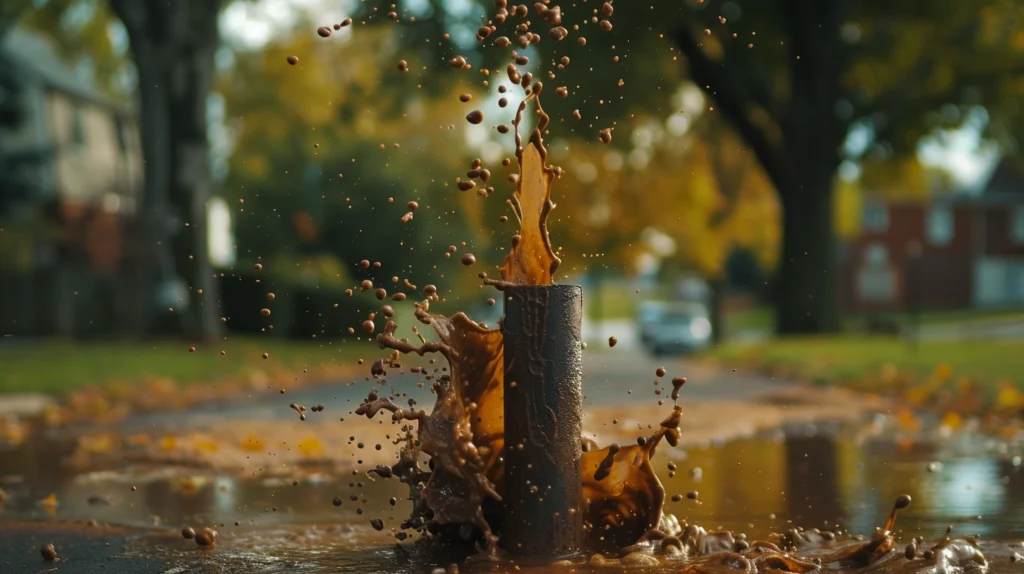
What are these 5 common cesspool myths?
Myth 1: Cesspools Require No Maintenance
Reality: Regular inspections and pump-outs are essential for optimal cesspool performance. Neglecting maintenance can lead to costly repairs and environmental hazards.
Myth 2: Cesspools Last Forever
Reality: Contrary to belief, cesspools have a lifespan. Over time, they accumulate sludge, reducing capacity. Routine maintenance and eventual replacements are crucial for long-term functionality.
Myth 3: Additives Eliminate the Need for Pumping
Reality: While some products claim to boost cesspool efficiency, they don’t replace professional pump-outs. Depend on regular maintenance rather than relying solely on additives.
Myth 4: Cesspool Odors Indicate a Problem
Reality: Occasional odors might be normal, but persistent foul smells signal an issue. Address underlying causes promptly to prevent system failures or contamination.
Myth 5: DIY Repairs Are Sufficient for Cesspools
Reality: Cesspool maintenance demands expertise. DIY attempts may worsen problems. Always consult professionals for proper maintenance, repairs, and system evaluations.
Debunking these common cesspool myths is critical for ensuring your cesspool system’s longevity, efficiency, and environmental impact. By embracing accurate information and best practices, you can maintain your cesspool effectively, contributing to a sustainable and well-functioning wastewater management system.

Conclusion: Empowering Cesspool Maintenance with Knowledge
Understanding the truth behind common myths is key to success in cesspool maintenance. By staying informed, engaging in regular maintenance, and seeking professional guidance when needed, you can uphold the integrity of your cesspool system and protect the environment. Let’s debunk misconceptions, adopt best practices, and foster a culture of responsible cesspool maintenance for a cleaner, healthier future.
Frequently Asked Questions
What is a septic tank?
A septic tank is a key septic system component that treats and disposes of household wastewater on properties not served by public sewage systems.
How often should a septic tank be pumped?
Having your septic tank pumped every 3-5 years is recommended to avoid the build-up of solid waste that can lead to system failure.
Are septic tank additives necessary for maintenance?
Using septic tank additives is a common myth. Some additives can disrupt the system’s balance of microbes and enzymes, potentially causing more harm than good.
What are some myths about septic systems?
Several common septic system myths, such as the myth that septic tanks need to be pumped out every year or that coffee grounds are safe to flush, are untrue and should be debunked.
How long does a septic system typically last?
Although a septic system’s lifespan can vary, with proper maintenance and care, a well-designed system can maintain a healthy operation for 20-40 years or more.
What can cause a septic system to fail?
System failure can result from various factors, such as clogs in the drain field, improper maintenance, excessive human waste, or harmful substances overwhelming the system.
Is it true that septic systems require enzymes to work?
While enzymes can help break down waste in a septic system, they are not always necessary. A properly functioning system with microbes can naturally perform the needed functions.
Do septic tanks need regular maintenance?
Yes, septic tanks require regular maintenance to function effectively, including periodic pumping, inspections, and avoiding harsh chemicals to prevent system failures and extend their lifespan.